



Raben w Salonikach: od lokalnych korzeni do międzynarodowego hubu logistycznego

Grecja od dawna czekała na integratora usług logistycznych z prawdziwego zdarzenia. Nowo otwarty obiekt Grupy Raben w Sindos pod Salonikami nie tylko odpowiada na rosnące potrzeby lokalnego biznesu, ale także skutecznie łączy grecki sektor eksportowy z europejską siecią połączeń. [English version below.]
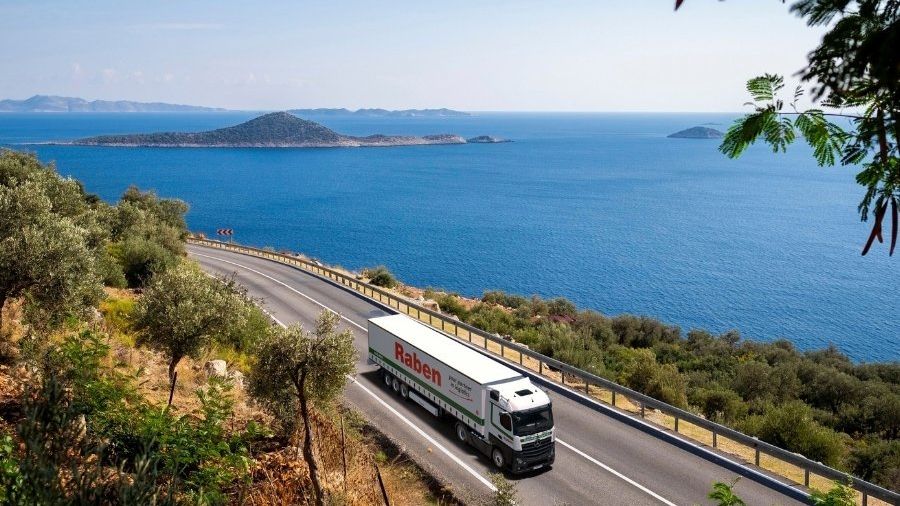
Źródło zdjęć: © materiały partnera
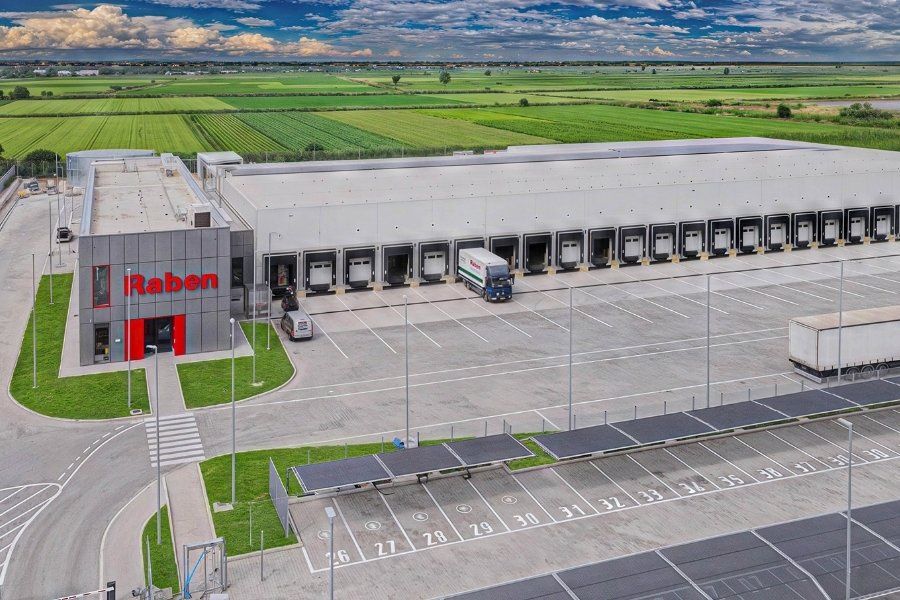

Nowy hub logistyczny Grupy Raben w Grecji

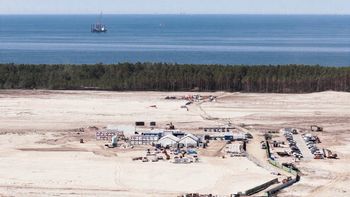
Spółka Raben Logistics Greece uruchomiła nowy obiekt w Sindos w pobliżu Salonik. To czwarta lokalizacja firmy w tym kraju. Inwestycja stanowi pierwszy etap projektu o łącznej wartości 10 mln euro. Nowy obiekt zajmuje powierzchnię 4 000 m² i został wybudowany na prywatnej działce o powierzchni 50 000 m². W jego skład wchodzi nowoczesny magazyn przeładunkowy wyposażony w 40 doków, komora termiczna z kontrolowaną temperaturą oraz 1 200 m² powierzchni biurowej. W kolejnej fazie planowana jest rozbudowa magazynu o następne 15 000 m². Inwestycja znacząco wzmacnia potencjał operacyjny Grupy Raben na rynku greckim i usprawnia regularne połączenia z Europą Środkowo-Wschodnią.

Włączenie greckiej firmy rodzinnej INTERTRANS do sieci Grupy Raben wymagało transformacji organizacyjnej. Nowy model operacyjny oznaczał utworzenie działów Obsługi Klienta, HR i Finansów, wdrożenie korporacyjnych procedur oraz standaryzację systemów IT. Zmiany zaszły również w samym podejściu do obsługi klienta.

- W kraju, w którym relacje są fundamentem biznesu, przejście na cyfrowy tryb pracy wymagało cierpliwości. Z czasem klienci dostrzegli jednak, że nie muszą już dzwonić, by złożyć zamówienie czy sprawdzić status przesyłki. Wszystkie dane stały się dostępne online w jednym systemie i według jednakowych standardów. Standaryzacja procesów zapewniła większą przejrzystość, szybszy przepływ informacji oraz możliwość zarządzania transportem w dowolnym momencie – zauważa Sarantos Kapourelakos, dyrektor zarządzający Raben Logistics Greece.

Specyfika greckiego rynku

Sektor logistyczny jest drugim – po turystyce – filarem gospodarki Grecji pod względem udziału w PKB. Saloniki, dysponujące drugim co do wielkości portem morskim w kraju, stanowią bramę nie tylko na Bałkany, ale i do całej Europy Środkowo-Wschodniej.

– W przeciwieństwie do wielu innych krajów europejskich, gdzie dominują towary przemysłowe, w greckim eksporcie przeważają artykuły spożywcze. Grecja pełni także funkcję łącznika z Cyprem – wyjaśnia Stefanos Agiopoulos, dyrektor ds. Sprzedaży w Raben Logistics Greece.

Pojawienie się operatora sieciowego zagwarantowało greckim przedsiębiorstwom dostęp do codziennych połączeń w całej Europie oraz możliwość śledzenia przesyłek w czasie rzeczywistym. Na rynku zdominowanym dotąd przez rozproszonych, lokalnych przewoźników, standaryzacja stała się nowym punktem odniesienia dla jakości usług. Dla Grupy Raben greckie struktury stanowią cenny element sieci w Europie Południowo-Wschodniej. O sile tego połączenia świadczą liczby – w ciągu ostatniego roku wolumen obsługiwanych ładunków wzrósł tam o niemal 40%.

– Rynek grecki, obejmujący setki wysp, ma swoją specyfikę i jest pełen silnych, lokalnych graczy. Wprowadzenie spójnych standardów daje klientom stabilność i poczucie bezpieczeństwa – mają pewność, że serwis na Krecie czy w Salonikach reprezentuje ten sam, wysoki poziom. Nie zamierzamy jednak konkurować z lokalnymi partnerami. Chcemy budować z nimi równorzędne relacje, tworząc wartość dodaną dla wszystkich stron – tłumaczy Bartłomiej Łapiński, dyrektor zarządzający regionem w Grupie Raben.

Inwestycja w Sindos to kolejny etap planu rozbudowy struktur Raben w Grecji. Wskutek dużego popytu firma rozważa przyspieszenie realizacji kolejnych projektów. Kluczowym celem na najbliższe lata pozostaje budowa centrum logistycznego w rejonie Aten oraz utworzenie sieci mniejszych oddziałów w głębi kraju.

© materiały partnera

ENG

Raben in Thessaloniki: From Local Roots to an International Logistics Hub 

Greece had been waiting for an integrated logistics provider. The newly opened Raben facility in Sindos, near Thessaloniki, meets the growing needs of local businesses while connecting Greece’s export industry to a network of links across Europe.

Raben’s New Logistics Hub in Greece

Raben Logistics Greece has opened a new facility in Sindos, near Thessaloniki. It is the company’s fourth site in Greece, following the Head Office in Piraeus, the Athens Warehouse in Mandra, Attica, and Sales Office in Heraklion, Crete. The new site covers 4,000 m² and has been built on a privately owned 50,000 m² plot. It is the first stage of a €10 million investment project, which includes a modern cross-dock warehouse with 40 loading docks, a temperature-controlled chamber for handling fresh food, and 1,200 m² of office space. In the next phase, the warehouse will be expanded by another 15,000 m². The new facility strengthens Raben’s ability to serve the Greek market and improves its regular connections with Central and Eastern Europe.

- When the facility was still under construction and didn’t even have walls, local business owners would come to us and say: "We can see what you’re building, and we really would like to learn more about your development plans for North Greece and discuss a potential cooperation." It showed us just how much local businesses had been waiting for an integrated provider offering a comprehensive range of services under one roof - says Sarantos Kapourelakos, Managing Director of Raben Logistics Greece.

Incorporating the Greek family-owned company INTERTRANS into the Raben Group network required a comprehensive organizational transformation. The new operating model involved setting up dedicated Customer Service, HR and finance functions, introducing corporate procedures and applications, as well as standardizing IT systems. Customer service also underwent a major transformation:

- "In the past, a customer would call me and say, ‘Sarantos, take care of it for me.’ In a country where business is built on relationships, moving to a more digital way of working took time. It was not a matter of resistance to change, but rather adapting to a new way of doing things. Customers gradually realized that they no longer needed to call to place an order or later check where their shipment was. All information became available online, within a single system and according to the same standards. This standardization of processes provides greater transparency, faster information flow, and allows customers to manage their shipments whenever they need. Over time, more and more customers recognized the tangible benefits of this approach. As a result, they could spend less time on operational tasks and more time focusing on growing their own business.’ - notes S. Kapourelakos.

The Specifics of the Greek Market

Greece’s logistics sector is the second-largest pillar of the economy after tourism in terms of its contribution to GDP. The country’s Logistics Performance Index (LPI) ranking has risen from 42nd to 19th globally. Investments worth more than €2 billion are expected to enter the market in the coming years. Thessaloniki, home to the country’s second-largest seaport, serves as a gateway not only to the Balkans, but also to Central and Eastern Europe, connecting international trade routes with fast and efficient inland distribution networks. With ferry transport to Italy becoming increasingly costly, businesses are increasingly opting for overland routes through Northern Greece, a region with a strong export-oriented industrial base spanning sectors from food to aluminum and packaging.

- Unlike many other European countries, where industrial goods dominate, Greek exports are largely made up of food products. Greece also serves as a link to Cyprus: shipments from countries such as Poland or Germany arrive here, where we transship them into sea containers bound for Limassol. Nevertheless, road transport is the core of our business and the direction of future developments - explains Stefanos Agiopoulos, Sales Director at Raben Logistics Greece.

The arrival of a network-based logistics provider has given Greek businesses access to daily transport connections across Europe as well as shipment tracking. In a market dominated by fragmented carriers, standardization has become a new benchmark for service quality. For the Raben Group, meanwhile, its Greek operation represents a valuable link in the logistics network of Southeastern Europe. The strength of this combination is reflected in the figures: over the past year, the company has recorded an almost 40% increase in the volumes it handles.

- With hundreds of islands, the Greek market has its own unique characteristics and is full of local champions. Introducing consistent standards brings stability and reassurance: customers can be confident that the service they receive in Crete or Thessaloniki is consistently of the same high quality. However, we are not looking to compete with local partners. Instead, we want to build parallel relationships with them, creating value for everyone - explains Bartłomiej Łapiński, Regional Managing Director at Raben Group.

Raben Way – Healthy WayThe Sindos investment is another phase of Raben’s development plan in Greece. Given the strong demand, the company is considering bringing forward its next projects. The key objective for the coming years is to build a logistics center in the Athens area and establish a network of smaller depots inland. Raben plans to continue developing its core capabilities: full portfolio of road transport services, both domestic and international, contract logistics and distribution, as well as temperature-controlled transport for food goods.

- It turns out that the Greek market was very much in need of these kinds of solutions. The response to the investment has encouraged us to consider whether we should accelerate our plans. At the same time, we are not interested in making reckless investments. We want to do it in Raben way – healthy way — taking things step by step and avoiding hasty decisions - concludes B. Łapiński.

Materiał sponsorowany przez Grupę Raben
Wybrane dla Ciebie
Wyłączono komentarze
Jako redakcja Wirtualnej Polski doceniamy zaangażowanie naszych czytelników w komentarzach. Jednak niektóre tematy wywołują komentarze wykraczające poza granice kulturalnej dyskusji. Dbając o jej jakość, zdecydowaliśmy się wyłączyć sekcję komentarzy pod tym artykułem.
Redakcja serwisu Money.pl